
A Comprehensive Guide to Financial Literacy for Students in the USA


Understanding Financial Literacy
Financial literacy is an essential skill for students, especially in the USA, where financial systems can be complex. By understanding basic financial concepts, students can make informed decisions about their money and future. Whether it's managing student loans, budgeting, or investing, financial literacy empowers students to take control of their financial health.

Budgeting Basics
One of the first steps in achieving financial literacy is understanding how to budget. A budget helps students track their income and expenses, ensuring they live within their means. Start by listing all sources of income, such as part-time jobs or allowances, and then list expenses, including rent, groceries, and entertainment.
Use the 50/30/20 rule as a guideline: allocate 50% of income to needs, 30% to wants, and 20% to savings or debt repayment. This simple approach can help students manage their finances effectively.
Understanding Credit
Credit plays a significant role in financial literacy. It’s crucial for students to understand how credit works, including credit scores and reports. A good credit score can open doors to favorable loan terms and credit card offers, while a poor score can have the opposite effect.
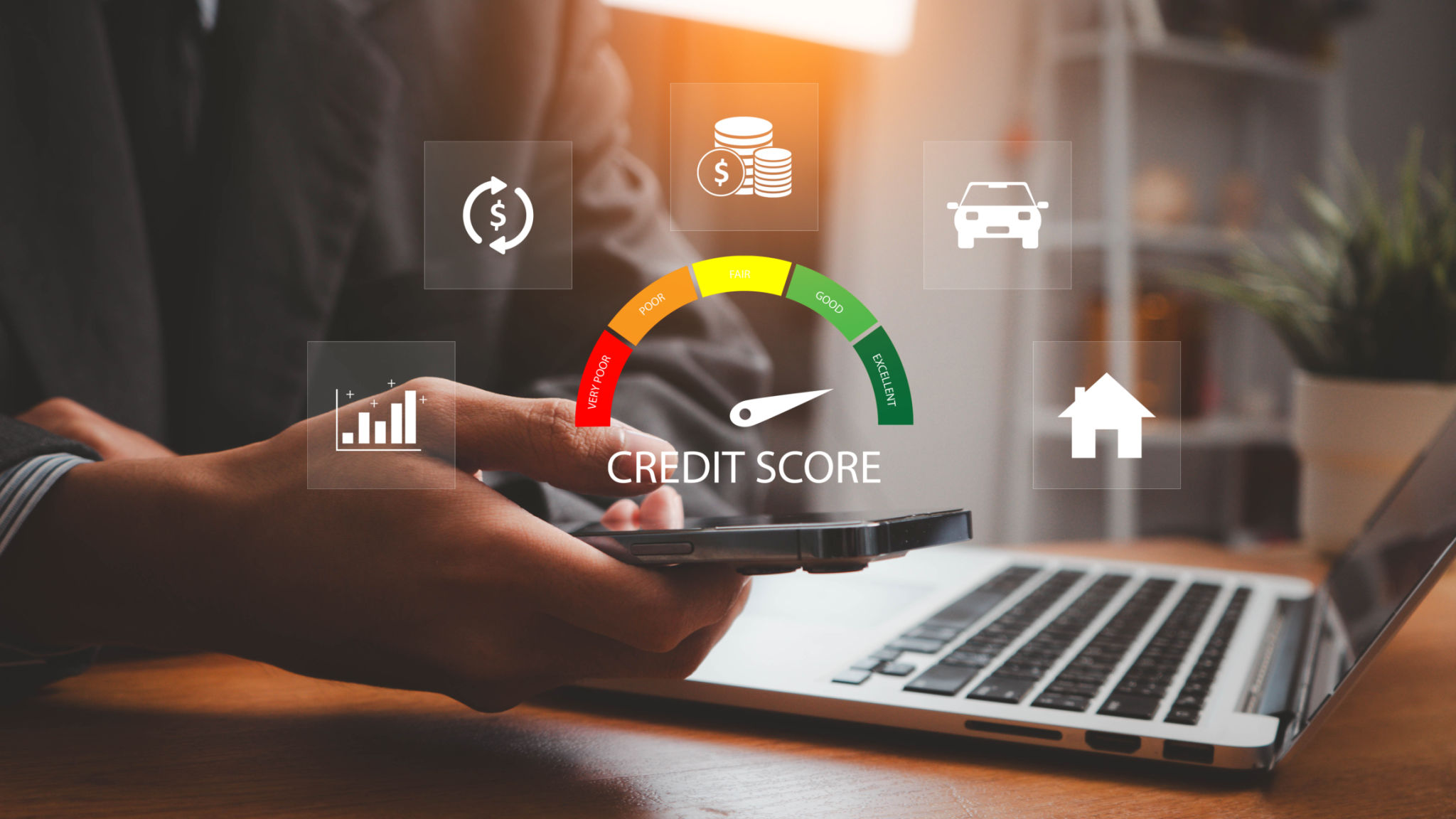
To maintain a healthy credit score, students should pay bills on time, keep credit card balances low, and avoid opening too many credit accounts at once. Regularly checking credit reports for errors can also prevent potential issues.
Student Loans and Debt Management
Many students rely on loans to finance their education, making it vital to understand how these loans work. Familiarize yourself with the terms and conditions of your loans, including interest rates and repayment options. Consider making interest payments while still in school to reduce overall debt.
Effective debt management is key to financial stability. Prioritize paying off high-interest debts first and explore consolidation options if necessary. Setting up a repayment plan can alleviate stress and ensure debts are paid on time.

Saving and Investing
Saving and investing are important components of financial literacy. Students should aim to build an emergency fund to cover unexpected expenses. Even small, regular contributions can grow significantly over time.
Investing is another way to grow wealth. Students can start by learning about different investment options, such as stocks, bonds, and mutual funds. Consider speaking to a financial advisor to understand the risks and choose investment strategies that align with your goals.
Utilizing Financial Resources
There are numerous resources available to help students enhance their financial literacy. Many schools offer workshops and courses on personal finance. Online platforms and apps can also provide valuable insights and tools for managing finances.

By taking advantage of these resources, students can improve their financial knowledge and decision-making skills. Remember, financial literacy is a lifelong journey that evolves with your personal and professional life.